XANTHELASMA
Xanthelasma Treatment in Brighton & Hove
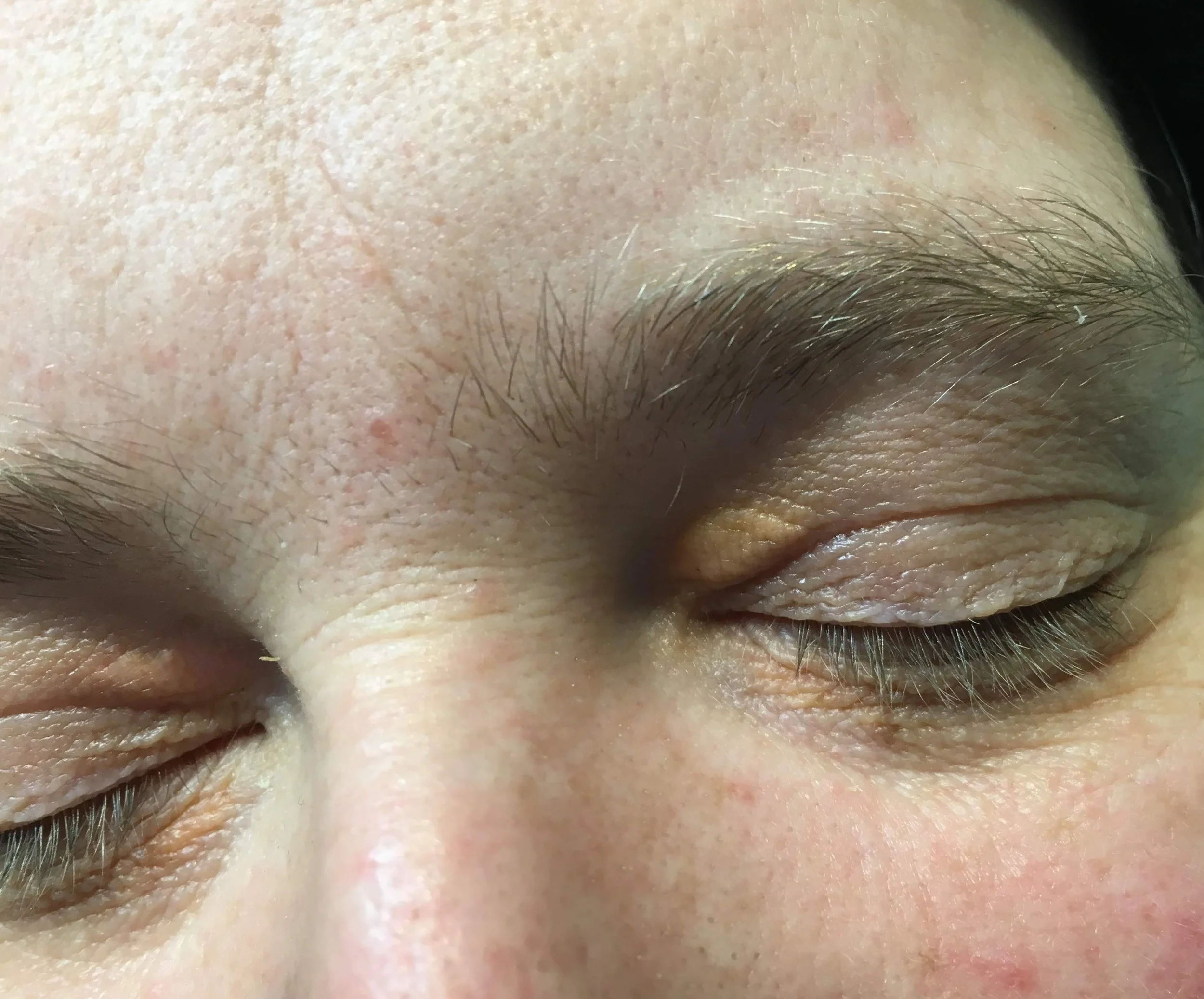
Xanthelasma are soft, yellowish deposits that usually appear on or around the eyelids. They are harmless, but can gradually become larger or more noticeable over time.
Suitable xanthelasma can be treated using Advanced Electrolysis, with treatment carefully tailored to the size, depth and location of the area being treated.
XANTHELASMA
What is xanthelasma?
Xanthelasma appears as soft, yellowish deposits that usually develop on or around the eyelids. The deposits are made up largely of cholesterol and other fats beneath the skin.
They are usually harmless and don’t normally cause discomfort, although some people choose to have them treated because of their appearance. Xanthelasma can sometimes be associated with raised cholesterol or other lipid levels, although this isn’t always the case.
If you haven’t previously discussed xanthelasma with your GP, it may be worth asking whether a cholesterol and lipid check would be appropriate.
TREATMENT
How I treat xanthelasma
Xanthelasma can be treated using Advanced Electrolysis, with the technique chosen according to the size, depth and location of the deposit and the condition of the surrounding skin.
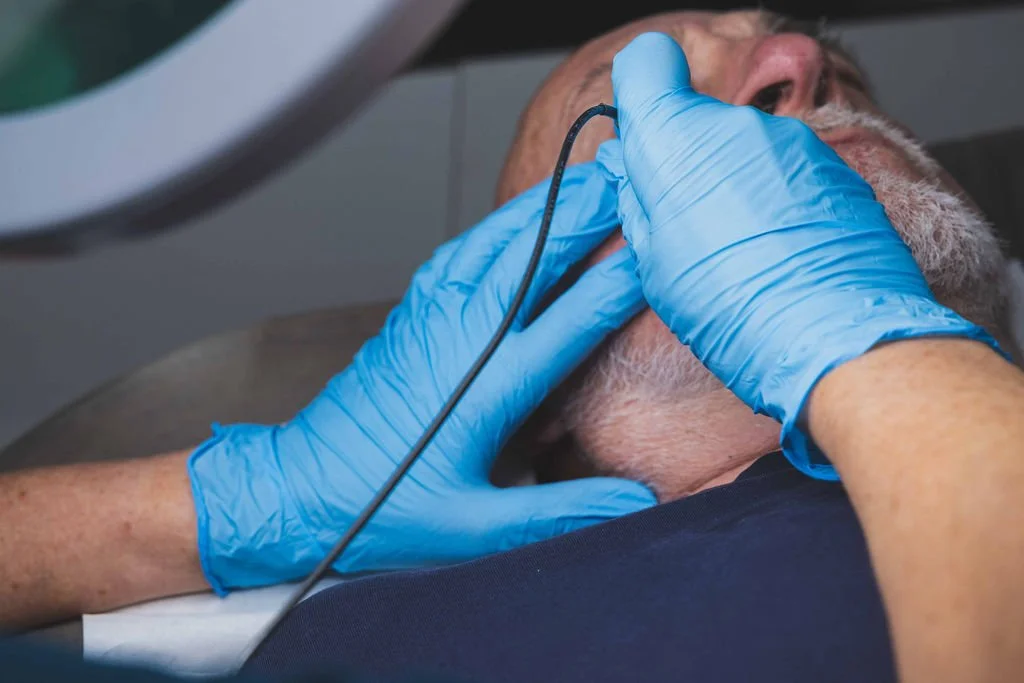
Using a very fine sterile probe and carefully controlled electrical current, the xanthelasma is treated precisely in small areas. Because the skin around the eyes is delicate, treatment is carried out gradually and conservatively. Larger or more established areas may need more than one appointment.
I’ll assess the area carefully before treatment and explain what is realistic for you before we begin.
AFTER TREATMENT
What happens afterwards?
Over the next few days
Crusting or scabbing can develop over the treated area. It is important to allow this to heal naturally and not pick, rub or remove any crusting.
As the skin heals
The area can temporarily look worse before it looks better. Once healing is complete, the xanthelasma may appear reduced in size and prominence. Larger or more established areas can need further treatment.
Immediately after
The treated area is likely to look red and may feel warm or tender. Depending on the technique and extent of treatment, the xanthelasma can initially look more noticeable.
You’ll be given clear aftercare advice following your treatment.
Your treatment includes an aftercare product to take home, along with guidance on how to care for your skin as it heals.
PRICING
Xanthelasma treatment pricing
From £145
A consultation is required before treatment and is charged separately at £25.
Treatment and price depend on the size, depth and extent of the xanthelasma and the area being treated.
Because the skin around the eyes is delicate, treatment is carried out carefully and may need to be staged over more than one appointment, particularly for larger or more established deposits.
I’ll assess the area at your appointment and explain the likely treatment plan and cost before we begin.
XANTHELASMA TREATMENT FAQs
Frequently asked questions
-
Sensation varies from person to person and the eyelid area can be sensitive. Treatment is carried out carefully using short, precise applications, and I’ll explain what to expect before we begin.
-
Not always. Smaller areas may respond well to one treatment, while larger, deeper or more established xanthelasma can need further sessions. The aim is to reduce the size and appearance of the deposit rather than promise complete removal in every case.
-
The treated area is likely to look red initially and some crusting or scabbing can develop during healing. It can temporarily look more noticeable before it begins to settle, so allowing the skin to heal naturally is important.
-
Yes. Xanthelasma can recur over time, even after successful treatment. Some people are more prone to developing it than others.
-
Xanthelasma can sometimes be associated with raised cholesterol or other lipid levels, although this isn’t always the case. If you haven’t previously discussed it with your GP, it may be worth asking whether a cholesterol and lipid check would be appropriate.
-
Yes. Not every bump or patch around the eyes is xanthelasma. Other benign concerns, including syringoma and milia, can appear in the same area and may look similar. I’ll assess the skin at your consultation and explain what the blemish appears to be and whether it is suitable for Advanced Electrolysis.