DERMATOSIS PAPULOSA NIGRA
Dermatosis Papulosa Nigra Treatment in Brighton & Hove
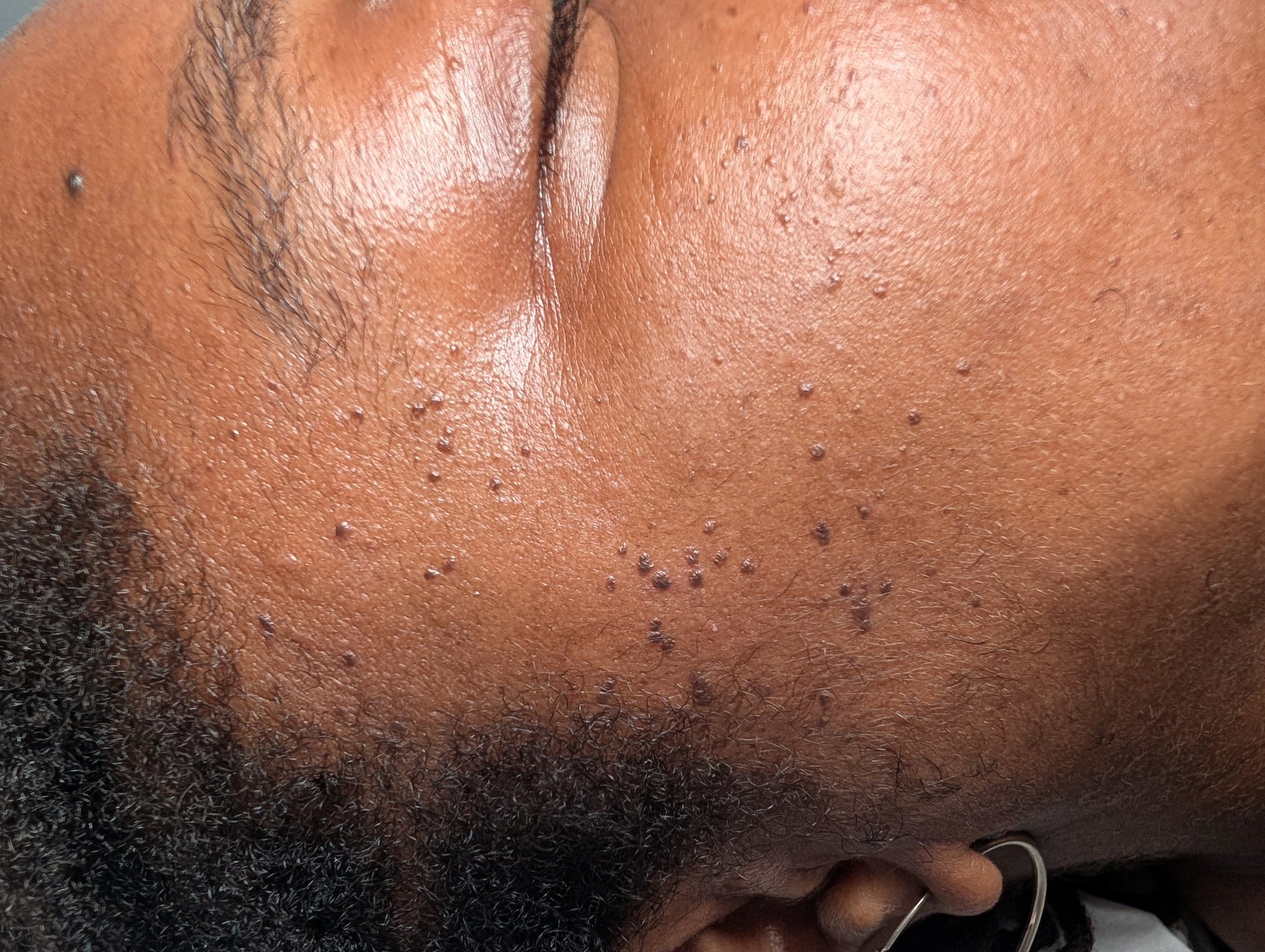
Dermatosis Papulosa Nigra, often shortened to DPN, causes small, dark, raised skin growths that commonly appear on the face and neck. They are harmless and are particularly common in darker skin tones.
Suitable DPN can be treated using Advanced Electrolysis, with treatment carefully adapted to the size, number and location of the growths and to the surrounding skin.
DERMATOSIS PAPULOSA NIGRA
What is Dermatosis Papulosa Nigra?
Dermatosis Papulosa Nigra is a benign skin condition that causes small brown or black raised growths, most commonly around the cheeks, temples, forehead and neck.
The growths often begin to appear gradually and can increase in number over time. They are more commonly seen in people with darker skin tones and can sometimes run in families.
Although DPN is harmless and doesn’t need treatment for medical reasons, some people choose to have the growths reduced or removed because they would prefer them to be less noticeable.
Because DPN is pigmented, I’ll assess the area carefully at your consultation before recommending treatment. If there is anything that should be medically checked first, I’ll explain this to you.
TREATMENT
How I treat Dermatosis Papulosa Nigra
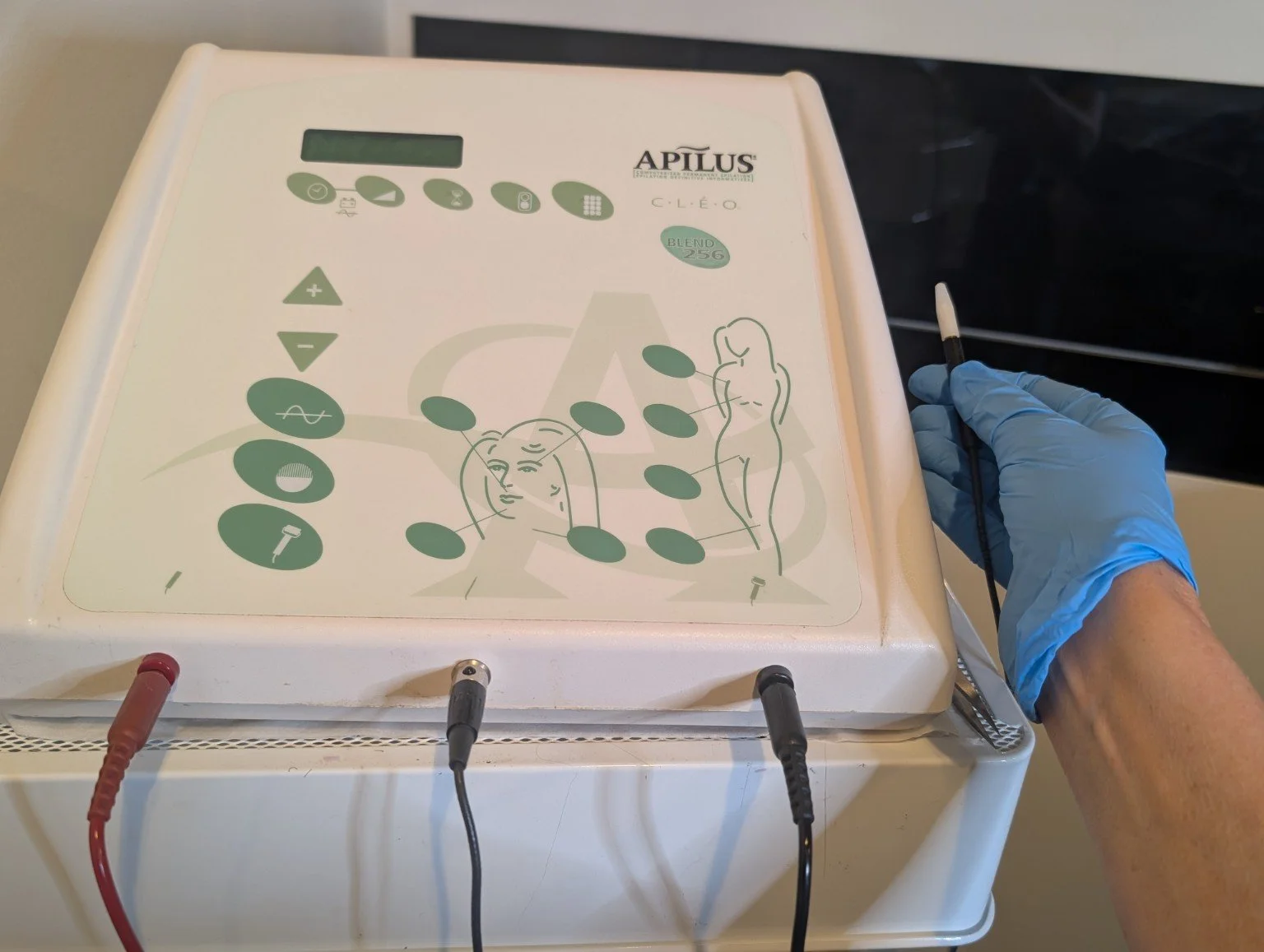
Suitable DPN can be treated using Advanced Electrolysis. A very fine sterile probe and carefully controlled electrical current are used to work precisely around each growth, allowing it to be gently lifted and reduced while avoiding unnecessary treatment of the surrounding skin.
Because DPN commonly occurs in more highly pigmented skin, treatment is carried out particularly carefully to minimise the risk of changes in pigmentation. A patch test may be recommended at your consultation before treating a larger area.
Smaller growths can often be treated quite quickly, while larger numbers may need to be treated over more than one appointment.
I’ll assess the area at your consultation and explain what is realistic for you before treatment begins.
AFTER TREATMENT
What happens afterwards?
Over the next few days
Small areas of crusting or scabbing can develop as the skin heals. These should be left completely alone and allowed to come away naturally.
As the skin heals
The treated areas should gradually settle as the crusting resolves. Because DPN is commonly treated on more highly pigmented skin, temporary changes in skin colour can occasionally occur while healing takes place.
Immediately after
The treated areas may look slightly red, dry or more noticeable immediately following treatment.
You’ll be given clear aftercare advice following your treatment.
Your treatment includes an aftercare product to take home, along with guidance on how to care for your skin as it heals.
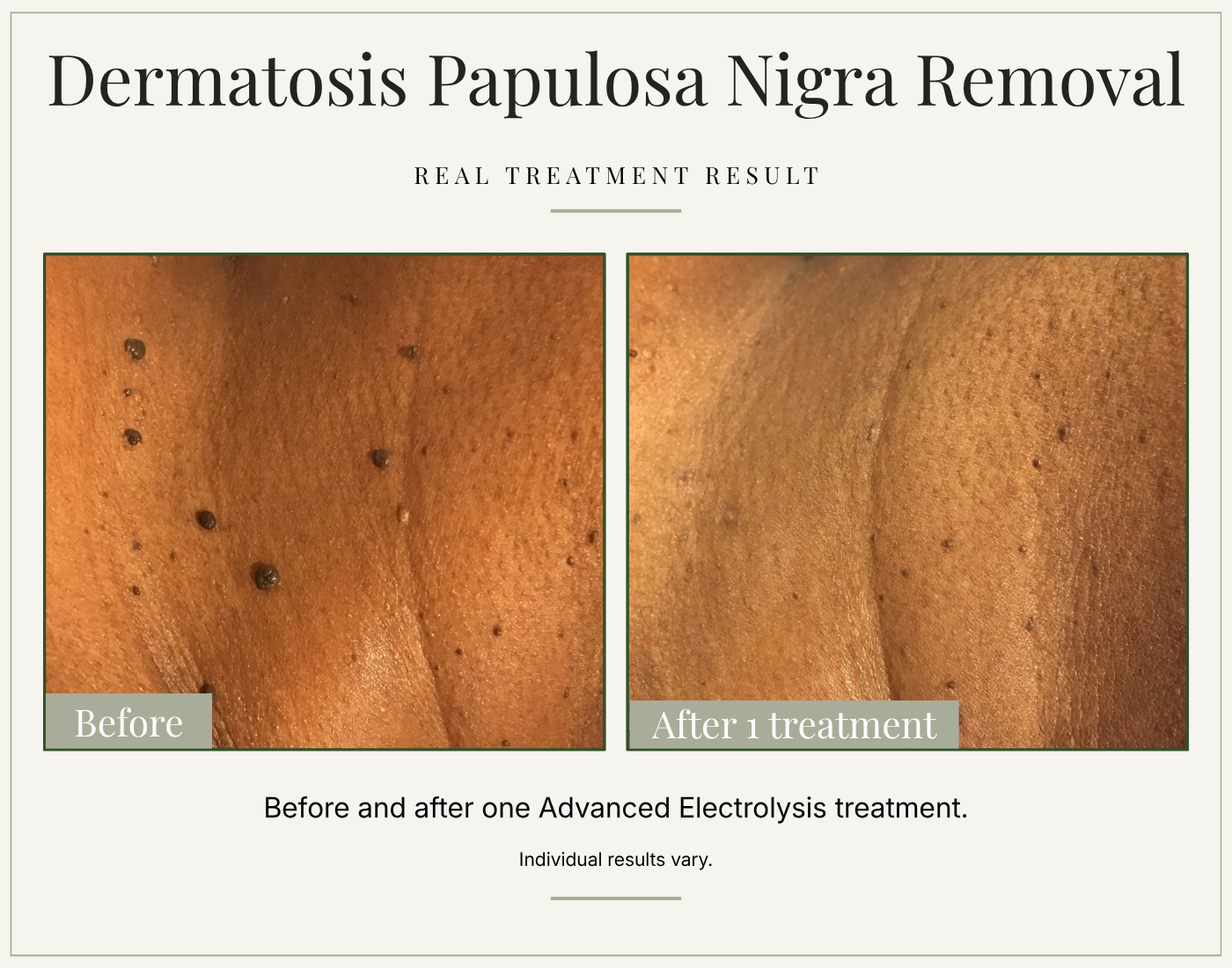
REAL TREATMENT RESULT
PRICING
Dermatosis Papulosa Nigra treatment pricing
From £120
A consultation is required before treatment and is charged separately at £25.
Where appropriate, this will include a small patch test so I can assess how your skin responds before treating a larger area.
The treatment price will depend on the number, size and location of the DPN being treated. Smaller areas may be treated in one appointment, while more extensive areas may need to be treated gradually over several sessions.
I’ll assess the area at your consultation and explain the recommended treatment plan and full cost before treatment begins.
DERMATOSIS PAPULOSA NIGRA TREATMENT FAQs
Frequently asked questions
-
Sensation varies from person to person, and some areas of the face can be more sensitive than others. Treatment is carried out using short, precise applications of Advanced Electrolysis, and I’ll explain what to expect before we begin.
-
A patch test may be recommended, particularly if a larger area is being treated. This allows me to see how your skin responds and helps me plan treatment as carefully as possible.
-
This depends on the size, number and location of the growths. A small number may be treated in one appointment, while more extensive areas are usually better treated gradually over several sessions.
-
Temporary lightening or darkening of the skin can sometimes occur during healing, particularly in more highly pigmented skin. Careful treatment technique and appropriate aftercare help minimise this risk, but it cannot be completely ruled out.
-
Successfully treated growths may resolve, but DPN can continue to develop over time, especially in people who are naturally prone to it. New growths can therefore appear in other areas in the future.