WARTS & VERRUCAE
Wart & Verruca Treatment in Brighton & Hove
Warts and verrucae are common viral skin growths caused by certain strains of the human papillomavirus (HPV). They can appear on different areas of the body and vary considerably in size, texture and appearance.
Suitable warts and verrucae can be treated using Advanced Electrolysis, with treatment adapted to the type, size, location and depth of the growth.
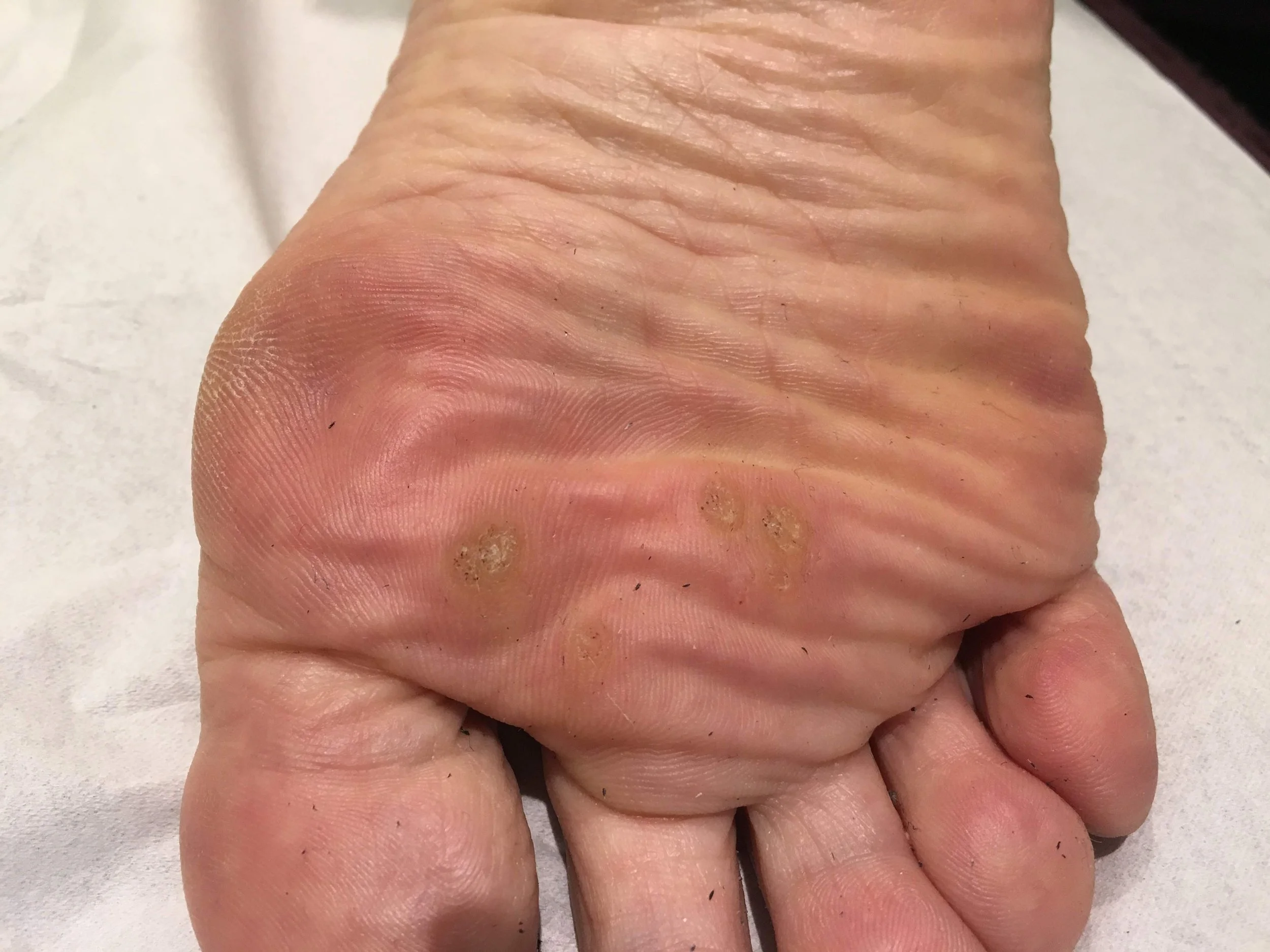
WARTS & VERRUCAE
What are warts and verrucae?
Warts are benign skin growths caused by a viral infection within the skin. They can appear as rough, raised or flatter areas and may occur singly or in groups.
A verruca is a wart that develops on the sole of the foot. Because of pressure from walking and standing, verrucae can grow inwards rather than becoming raised and may sometimes feel uncomfortable or tender.
There are several different types of wart, including common warts and flatter plane warts. Although some disappear naturally over time, others can remain for months or years and can spread to surrounding skin.
I’ll assess the area at your consultation to make sure it appears suitable for Advanced Electrolysis and discuss whether treatment is appropriate for you.
TREATMENT
How I treat warts and verrucae
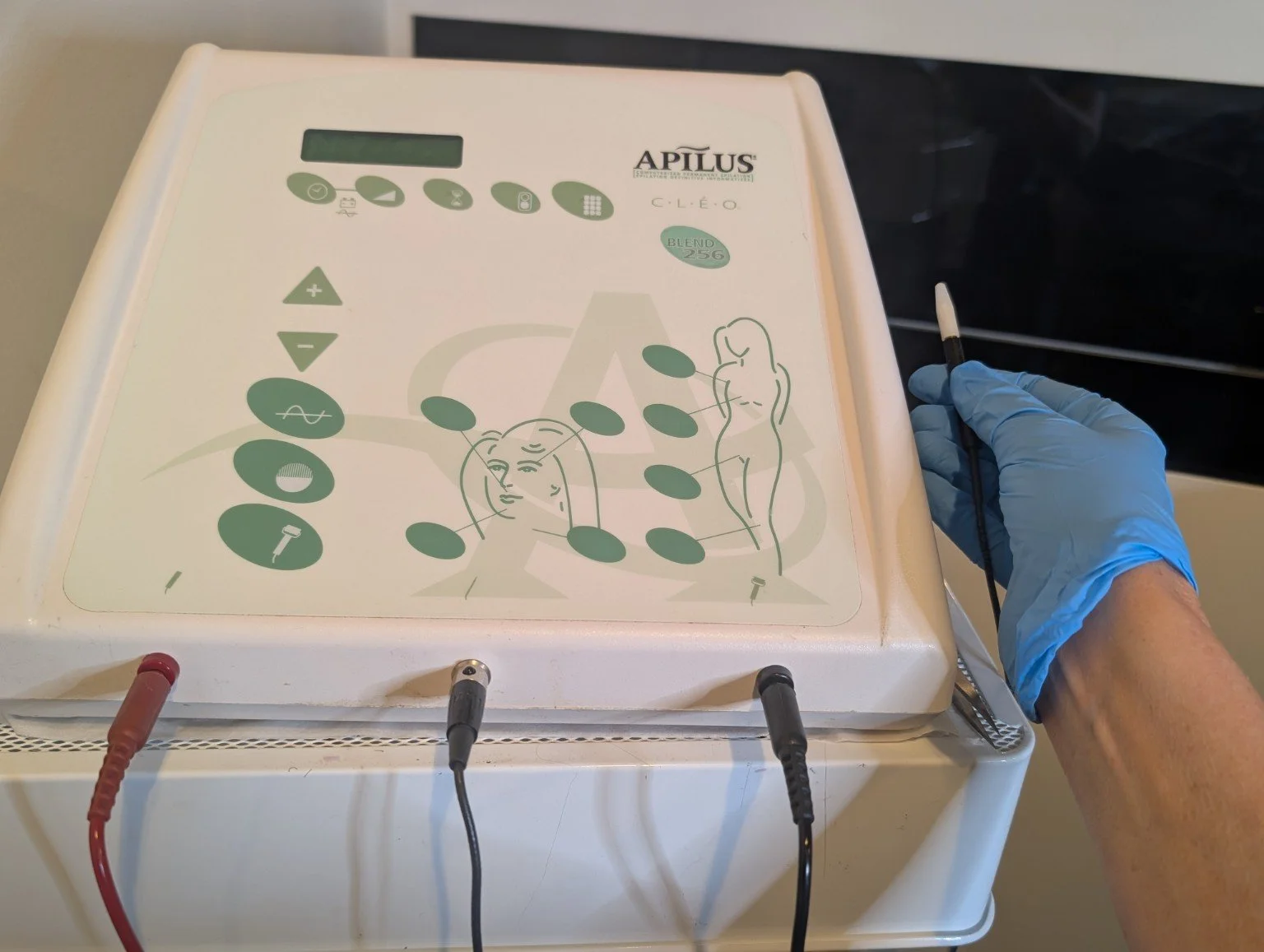
Suitable warts and verrucae can be treated using Advanced Electrolysis. A very fine sterile probe and carefully controlled electrical current are used to treat the affected tissue, with the technique adapted according to the type, size, location and depth of the wart or verruca.
Some growths can be treated from the surface, while others require more targeted treatment within the affected tissue. Because warts and verrucae are viral and can be persistent, more than one treatment may be needed, particularly for larger or more established areas.
Treatment is carried out carefully to avoid unnecessary damage to the surrounding healthy skin.
I’ll assess the area at your consultation and explain the most appropriate approach and what is realistic for you before treatment begins.
Strict hygiene and infection-control procedures are followed throughout treatment because warts and verrucae are contagious.
AFTER TREATMENT
What happens afterwards?
Over the next few days
The treated tissue will begin to dry and a crust or scab can form. This should be left completely alone and allowed to come away naturally. Picking or rubbing the area can interfere with healing.
As the skin heals
The crust will gradually come away and the area should continue to settle. Because warts and verrucae can be persistent, further treatment may be needed once the skin has fully healed.
Immediately after
The treated area may look pale, red or slightly swollen and can feel warm or tender. The appearance of the wart or verruca may change immediately following treatment.
You’ll be given clear aftercare advice following your treatment.
Your treatment includes an aftercare product to take home, along with guidance on how to care for your skin as it heals.
PRICING
Wart & verruca treatment pricing
From £120
A consultation is required before treatment and is charged separately at £25.
Where appropriate, this may include a patch test so I can assess how your skin responds and plan treatment safely.
The treatment price will depend on the type, size, number and location of the warts or verrucae being treated. Smaller or more straightforward areas may be treated in one appointment, while larger, deeper or more established areas may need further treatment once the skin has fully healed.
I’ll assess the area at your consultation and explain the recommended treatment plan and full cost before treatment begins.
SYRINGOMA TREATMENT FAQs
Frequently asked questions
-
Sensation varies depending on the area being treated and the type and depth of the growth. Verrucae and thicker warts can be more sensitive, and I’ll explain what to expect before treatment begins.
-
Not always. Some smaller or more superficial warts may respond well to one treatment, while larger, deeper or more established warts and verrucae often need further treatment once the skin has fully healed.
-
A crust or scab can form after treatment and should be left to come away naturally. Healing time varies depending on the size, location and depth of the area treated and how your individual skin responds.
-
The area needs to heal fully before it is treated again. For many warts, repeat treatment may be considered after several weeks, depending on how the skin has healed and how the wart or verruca has responded.
-
Yes. Warts and verrucae are caused by a virus, so even after successful treatment, new ones can develop or an existing one can recur. Some people are naturally more prone to them than others.