SEBORRHOEIC KERATOSES
Seborrhoeic Keratosis removal in Brighton & Hove
Seborrhoeic keratoses are very common, harmless skin growths that often become more noticeable with age. They can vary considerably in size, colour and texture and may feel rough, waxy or raised from the surface of the skin.
Suitable seborrhoeic keratoses can be treated using Advanced Electrolysis, with treatment tailored to the size, thickness and location of the area being treated.
SEBORRHOEIC KERATOSES
What are seborrhoeic keratoses?
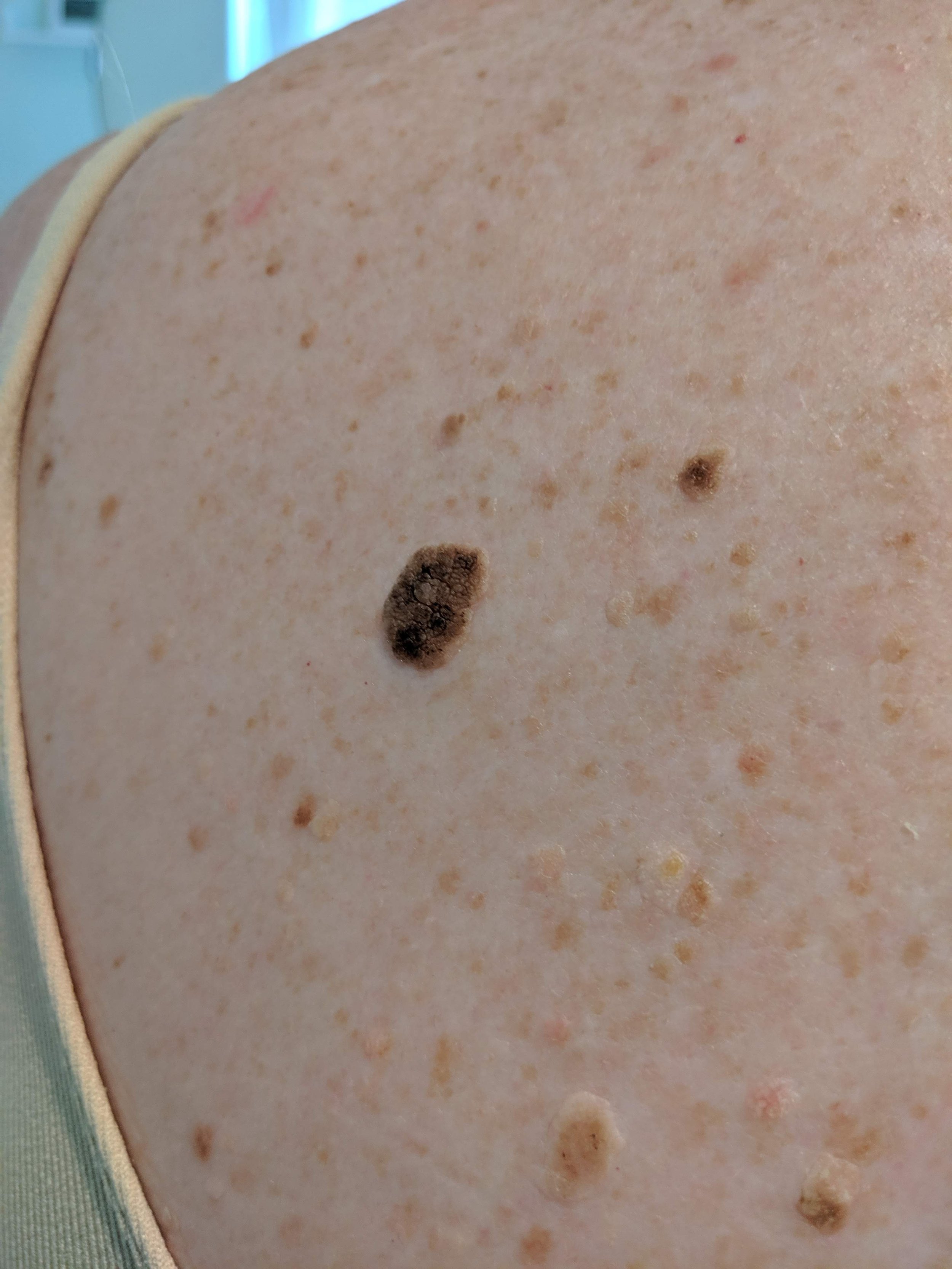
Seborrhoeic keratoses are benign skin growths that usually develop gradually over time. They can be skin-coloured, tan, brown or much darker and often have a characteristic rough, waxy or slightly “stuck-on” appearance.
They can occur almost anywhere on the body and may appear individually or in larger numbers. Although they are harmless, some people choose to have them treated because they become irritated by clothing, catch or rub, or simply because they would prefer them to be less noticeable.
Because seborrhoeic keratoses can sometimes resemble other skin lesions, I’ll assess the area carefully at your consultation. If anything needs to be medically checked before treatment, I’ll explain this to you.
TREATMENT
How I treat seborrhoeic keratoses
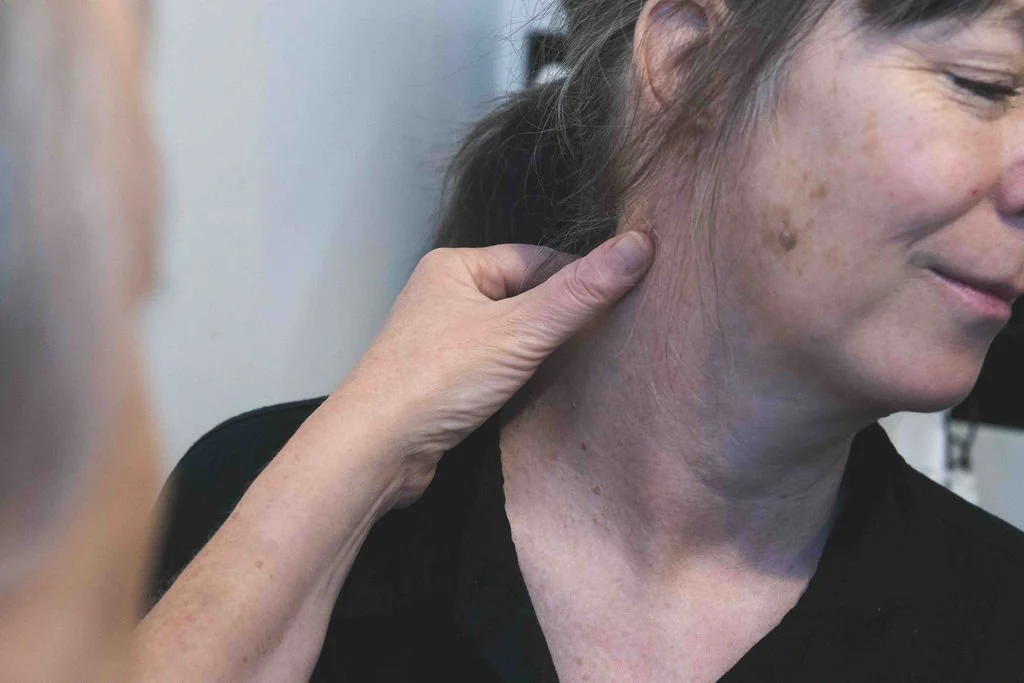
Suitable seborrhoeic keratoses can be treated using Advanced Electrolysis. A very fine sterile probe is used with a carefully controlled electrical current to work gradually around and across the growth, allowing the thickened tissue to be treated and reduced.
The technique is adapted to the size, thickness and location of the keratosis. Smaller or more superficial areas may be treated quite quickly, while larger or thicker growths may need more time or more than one treatment.
I’ll assess the area at your consultation and explain what is realistic for you before treatment begins.
AFTER TREATMENT
What happens afterwards?
Over the next few days
Crusting or scabbing can develop as the treated tissue dries and heals. It’s important not to pick, rub or try to remove this, as doing so can interfere with healing and increase the risk of marking the skin.
As the skin heals
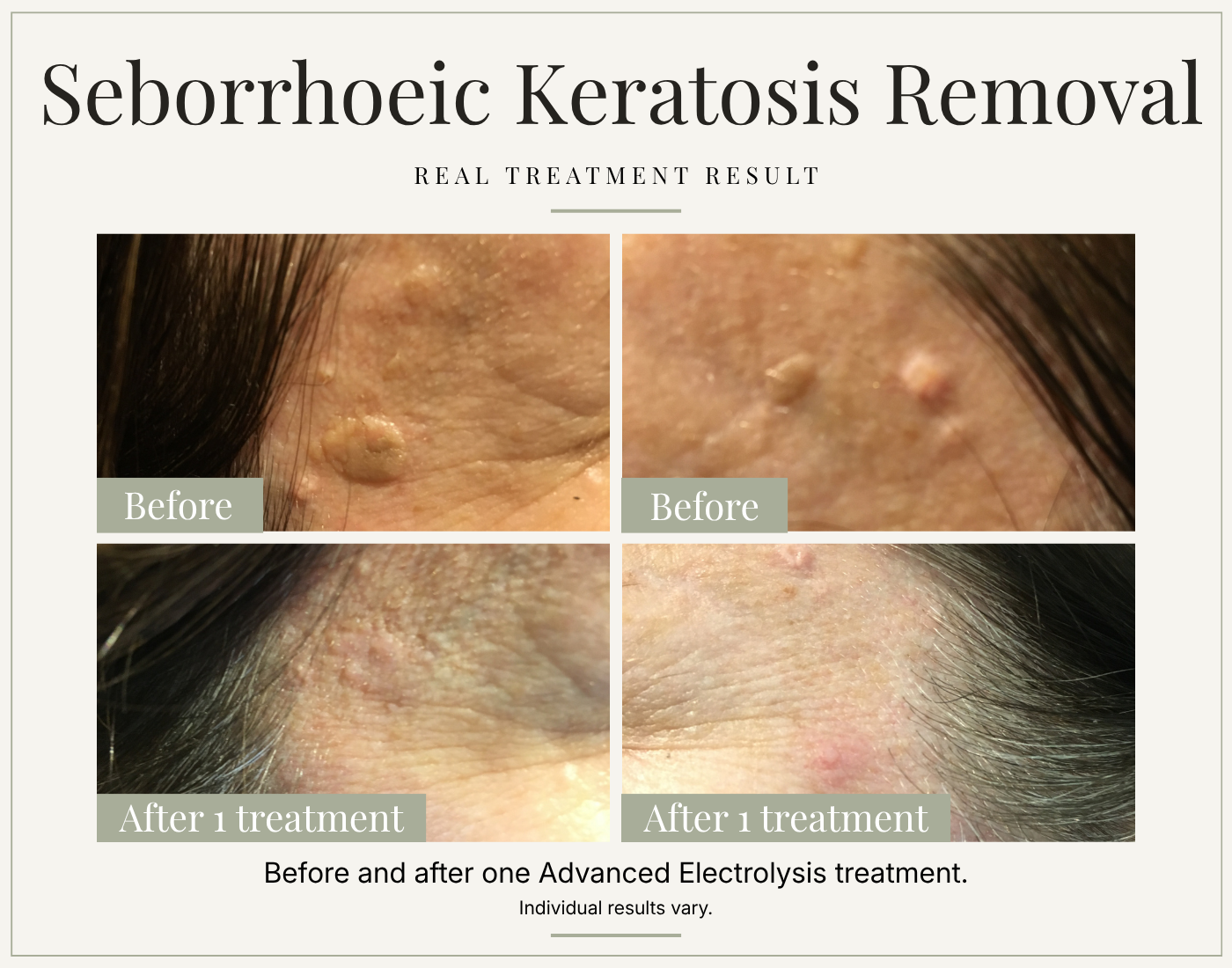
The crust will gradually come away on its own and the area should continue to settle. The final result becomes clearer once the skin has fully healed. Larger or thicker seborrhoeic keratoses may need further treatment.
Immediately after
The treated area may look red, feel warm or tender and can appear darker or more noticeable straight after treatment.
You’ll be given clear aftercare advice following your treatment.
Your treatment includes an aftercare product to take home, along with guidance on how to care for your skin as it heals.
REAL TREATMENT RESULT
PRICING
Seborrhoeic keratosis removal pricing
From £120
A consultation is required before treatment and is charged separately at £25.
The treatment price will depend on the size, thickness, number and location of the seborrhoeic keratoses being treated. Smaller or more straightforward areas may be treated within a single appointment, while larger, thicker or multiple growths may need additional time or further treatment once the skin has healed.
I’ll assess the area at your consultation and explain the expected treatment plan and full cost before treatment begins.
SEBORRHOEIC KERATOSIS REMOVAL TREATMENT FAQs
Frequently asked questions
-
Sensation varies from person to person and some areas are more sensitive than others. Treatment is carried out using short, precise applications of Advanced Electrolysis, and I’ll explain what to expect before we begin.
-
Some smaller or more superficial seborrhoeic keratoses may respond well to a single treatment. Larger, thicker or more established growths may need further treatment once the skin has fully healed.
-
Crusting or scabbing can develop after treatment and should be left to come away naturally. Healing time varies depending on the size and location of the area treated and how your individual skin responds.
-
A successfully treated growth may remain reduced or resolved, but some people are naturally prone to developing further seborrhoeic keratoses elsewhere over time.
-
Not necessarily. I’ll assess the area at your consultation to make sure it appears suitable for Advanced Electrolysis. If anything looks unusual or needs medical assessment before treatment, I’ll explain this and won’t proceed until it has been appropriately checked.