MOLE TREATMENT
Mole Reduction in Brighton & Hove
Moles are extremely common and can vary considerably in size, colour and shape. Some people choose to have a suitable raised mole reduced because it catches on clothing or jewellery, becomes irritated, or simply because they would prefer it to be less prominent.
Suitable raised moles can be reduced using Advanced Electrolysis, but the mole must first have been medically checked and I require GP permission before treatment can go ahead.
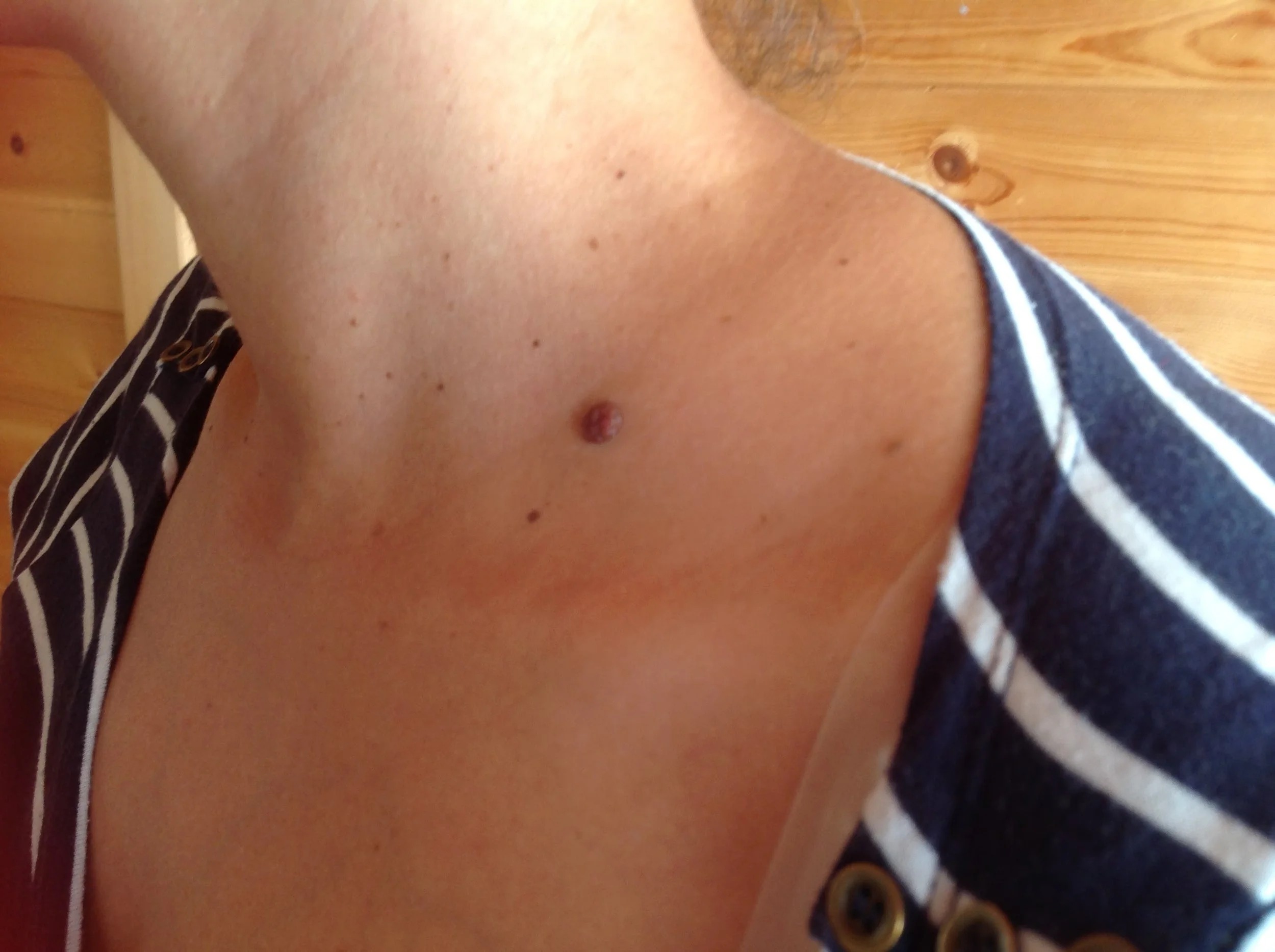
BEFORE TREATMENT
Why does the mole need to be checked first?
Most moles are harmless, but any mole being considered for cosmetic treatment must be medically checked before treatment can take place.
You don't need to arrange this before your consultation with me. I'll assess the area first and, if mole reduction appears suitable, I'll provide you with a letter explaining the proposed Advanced Electrolysis treatment to take or send to your GP.
Once I have received the required written GP confirmation, we can arrange your treatment appointment.
GP confirmation is required before I can carry out mole reduction.
TREATMENT
How I reduce suitable moles
Once your consultation has taken place and I’ve received the required GP confirmation, suitable raised moles can be reduced using Advanced Electrolysis.
A carefully controlled electrical current is applied precisely to the surface of the mole, gradually dehydrating the treated tissue so that the mole reduces in height and prominence. The surrounding skin is avoided and treatment is carried out conservatively, particularly on the face.
It can be better to under-treat initially and allow the area to heal fully rather than try to achieve too much in one appointment. Depending on the original size and depth of the mole, further reduction may be possible at a later treatment.
I’ll explain the likely degree of reduction, healing process and whether further treatment may be needed before we begin.
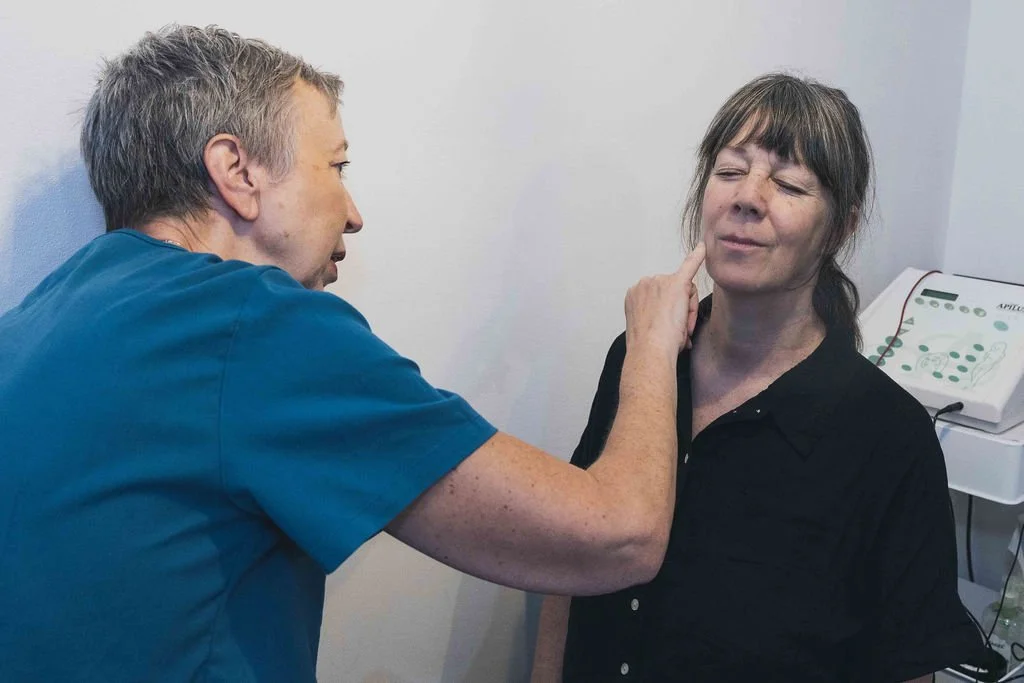
AFTER TREATMENT
What happens afterwards?
Over the next few days
The treated tissue will dry and a crust or scab may form. This needs to be left completely alone and allowed to come away naturally. Picking or rubbing the area can interfere with healing and increase the risk of marking the skin.
As the skin heals
Once the crust has naturally come away and the area has fully settled, the amount of reduction will become clearer. Depending on the original size and depth of the mole, further treatment may be considered once healing is complete.
Immediately after
The treated mole will change in appearance during treatment and may look pale, dry or darker afterwards. The surrounding skin can also look slightly red or feel warm or tender.
You’ll be given clear aftercare advice following your treatment.
Your treatment includes an aftercare product to take home, along with guidance on how to care for your skin as it heals.
PRICING
Mole reduction pricing
From £150 per mole
A consultation is required before mole reduction treatment and is charged separately at £25.
If the mole appears suitable for treatment, I’ll provide you with a letter explaining the proposed Advanced Electrolysis procedure to take or send to your GP.
Once written GP confirmation has been received, treatment can be arranged. The final treatment price will depend on the size, depth and location of the mole and whether further treatment is likely to be required.
I’ll explain the expected treatment plan and full cost before any treatment begins.
MOLE REDUCTION TREATMENT FAQs
Frequently asked questions
-
Sensation varies from person to person and some areas are more sensitive than others. Advanced Electrolysis uses short, precise applications of current and I’ll explain what to expect before treatment begins.
-
The aim of treatment is to reduce the height and prominence of a suitable raised mole rather than guarantee complete removal. The amount of reduction possible will depend on the size, depth and location of the mole, and this will be discussed at your consultation.
-
Possibly. Mole reduction is deliberately carried out conservatively, particularly on the face. Once the area has fully healed, we can assess the result and decide whether any further treatment would be appropriate.
-
Any mole being considered for cosmetic treatment needs to be medically checked first. Following your consultation, if the mole appears suitable for Advanced Electrolysis, I can provide a letter explaining the proposed treatment for you to take or send to your GP. Written GP confirmation must be received before treatment can take place.
-
No. I’ll assess the mole at your consultation to determine whether it appears suitable for treatment. If there is anything about the mole that concerns me, or if the required medical confirmation cannot be obtained, I won’t proceed with treatment.