MILIA REMOVAL
Milia Removal in Brighton & Hove
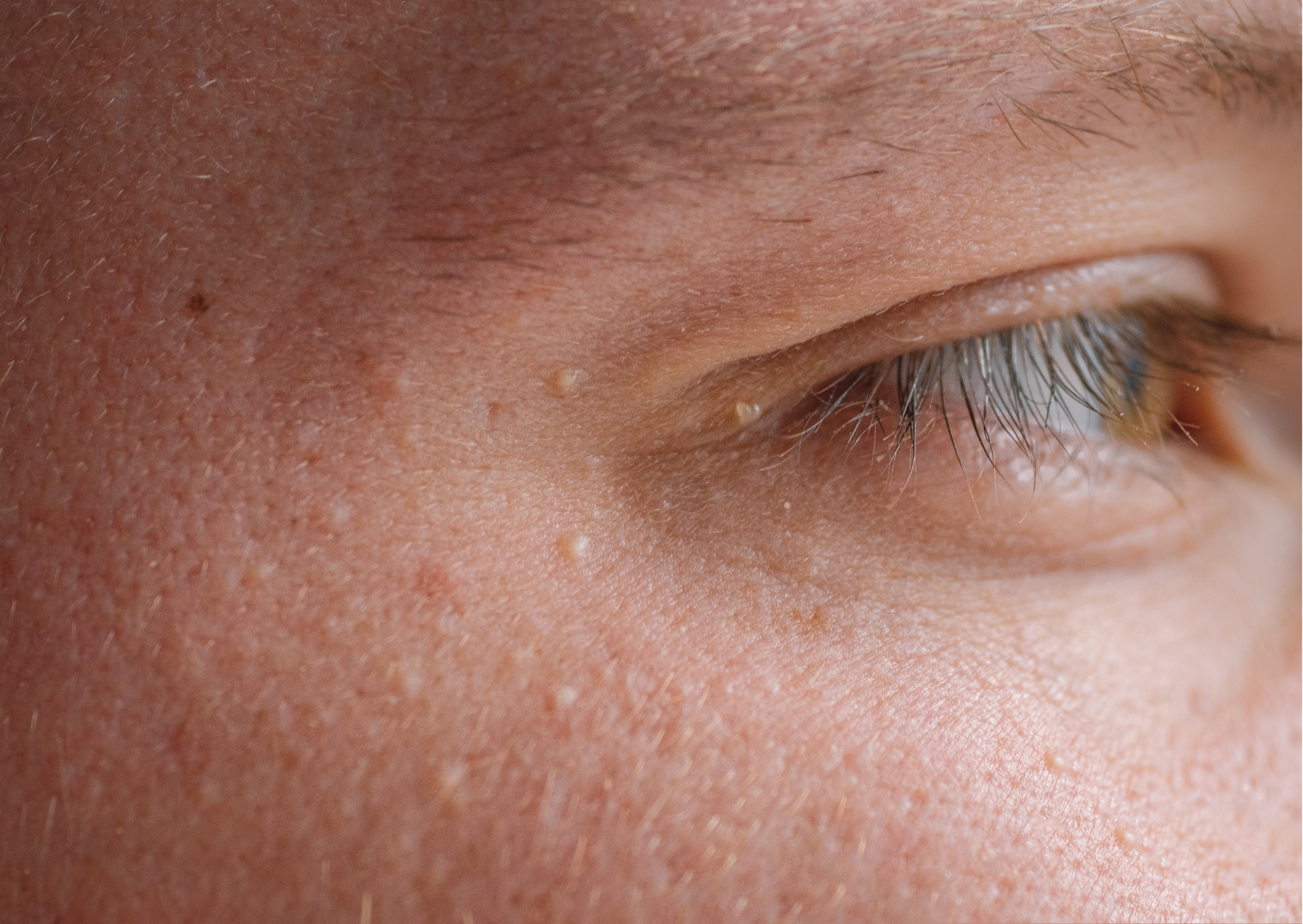
Milia are small, firm white bumps that sit just beneath the surface of the skin. They’re very common and harmless, but can be persistent and difficult to remove safely at home.
Suitable milia can be treated precisely using specialist techniques, with treatment tailored to the size, location and number of milia present.
MILIA
What are milia?
Milia are tiny cysts filled with keratin, a protein naturally found in the skin. They often appear as small white or cream-coloured bumps, most commonly around the eyes, cheeks and forehead.
They can occur at any age and don’t usually cause discomfort, but unlike spots they don’t have an opening at the surface of the skin, which is why squeezing them at home is rarely successful and can damage the surrounding skin.
TREATMENT
How I treat milia
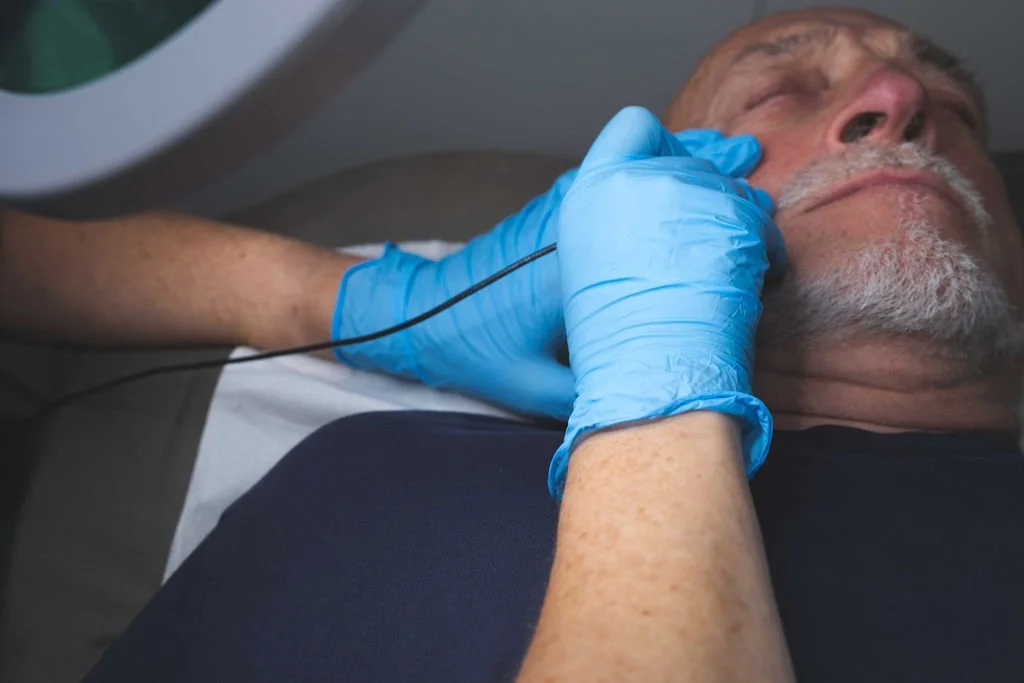
Milia can be treated using Advanced Electrolysis. A very fine sterile probe is used to deliver a carefully controlled electrical current directly to the milia, helping to break down the compacted keratin within the milia so that it can gradually disperse
Small milia can often be treated very quickly, while larger or more established milia may need further treatment. Extra care is taken when working around delicate areas such as the eyes, and the treatment is always adapted to the size, location and sensitivity of the area.
I’ll assess the milia before treatment and explain what is realistic for you before we begin.
AFTER TREATMENT
What happens afterwards?
Over the next few days
The area should be kept clean and allowed to settle naturally. Avoid picking, rubbing or interfering with the treated skin while it heals.
As the skin heals
The treated milia can gradually reduce as the compacted keratin breaks down and disperses. Larger or more persistent milia may need further treatment.
Immediately after
The treated area may look slightly red and can feel warm or tender. The milia itself may initially look unchanged or a little more noticeable following treatment.
You’ll be given clear aftercare advice following your treatment.
Your treatment includes an aftercare product to take home, along with guidance on how to care for your skin as it heals.
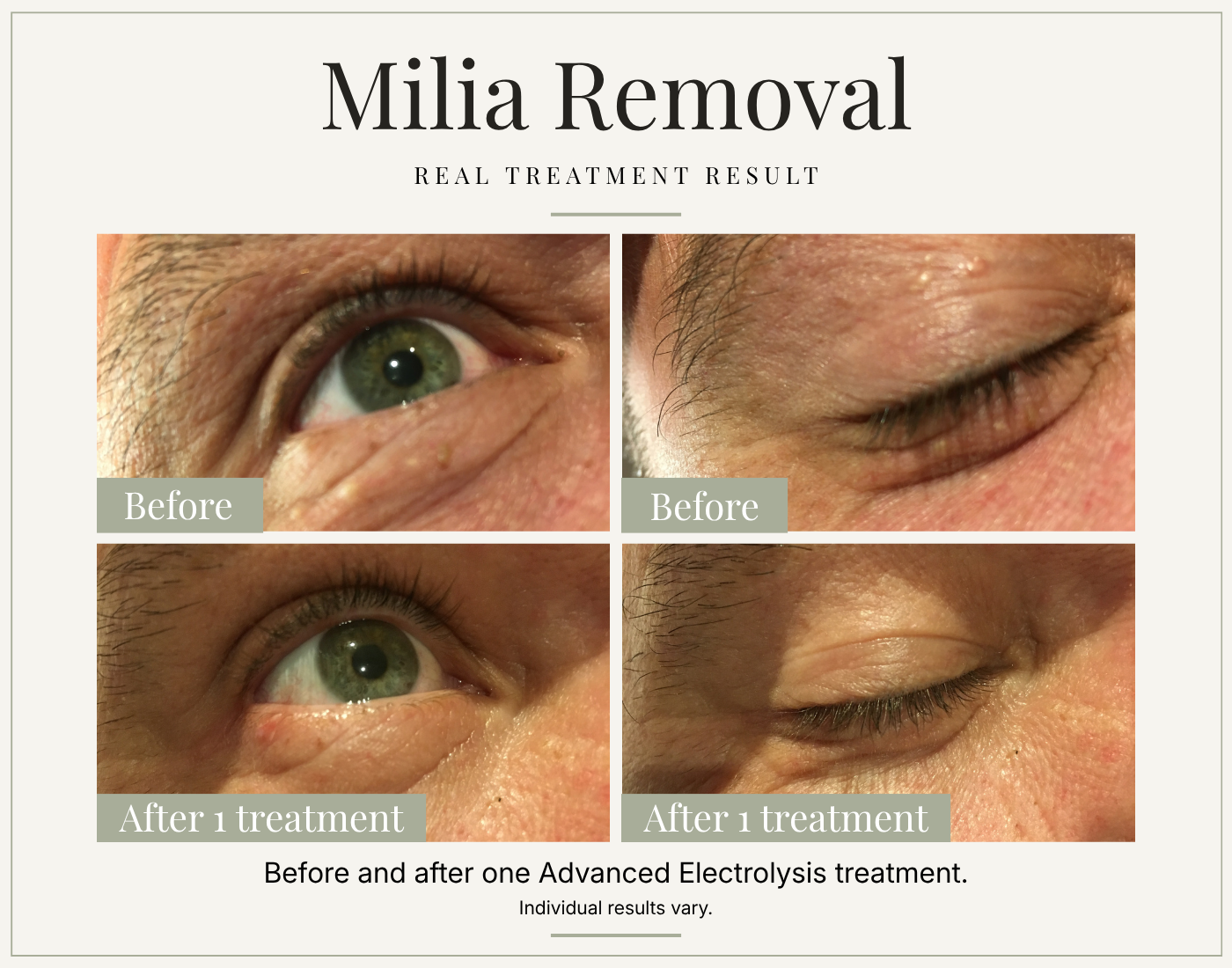
REAL TREATMENT RESULT
PRICING
Milia removal pricing
£90
up to 15 minutes
A consultation is required before treatment and is charged separately at £25.
For small or straightforward milia, a 15-minute appointment may be enough. The number that can be treated will depend on their size, location and how established they are.
Milia in delicate areas, larger milia or multiple areas may need additional time or further treatment once the skin has settled.
I’ll assess the area at your appointment and explain what can realistically be treated within the time available.
MILIA FAQs
Frequently asked questions
-
Sensation varies from person to person and some areas, particularly around the eyes, can be more sensitive. Treatment is usually very quick, and the intensity is carefully adjusted to the area being treated.
-
This depends on the size, location and number of milia present. Several small milia may be treated within a 15-minute appointment, while larger, more established or delicate areas may need additional time or further treatment.
-
Not necessarily. Advanced Electrolysis works by breaking down the compacted keratin within the milia so that it can gradually disperse. The milia may initially look unchanged or even slightly more noticeable before it begins to reduce.
-
A successfully treated milia may resolve, but some people are naturally more prone to developing them and new milia can appear over time. This is particularly common around areas such as the eyes and cheeks.
-
Milia don’t have the same type of opening as a spot, so squeezing them is rarely successful and can damage or mark the surrounding skin. Professional treatment allows the area to be treated in a much more controlled and precise way.
-
Milia, syringoma and xanthelasma can all appear around the eye area, but they are different types of skin concern and require different approaches to treatment. I’ll assess the area at your consultation and explain what the blemishes appear to be and whether they are suitable for Advanced Electrolysis.